 Follow us on Facebook
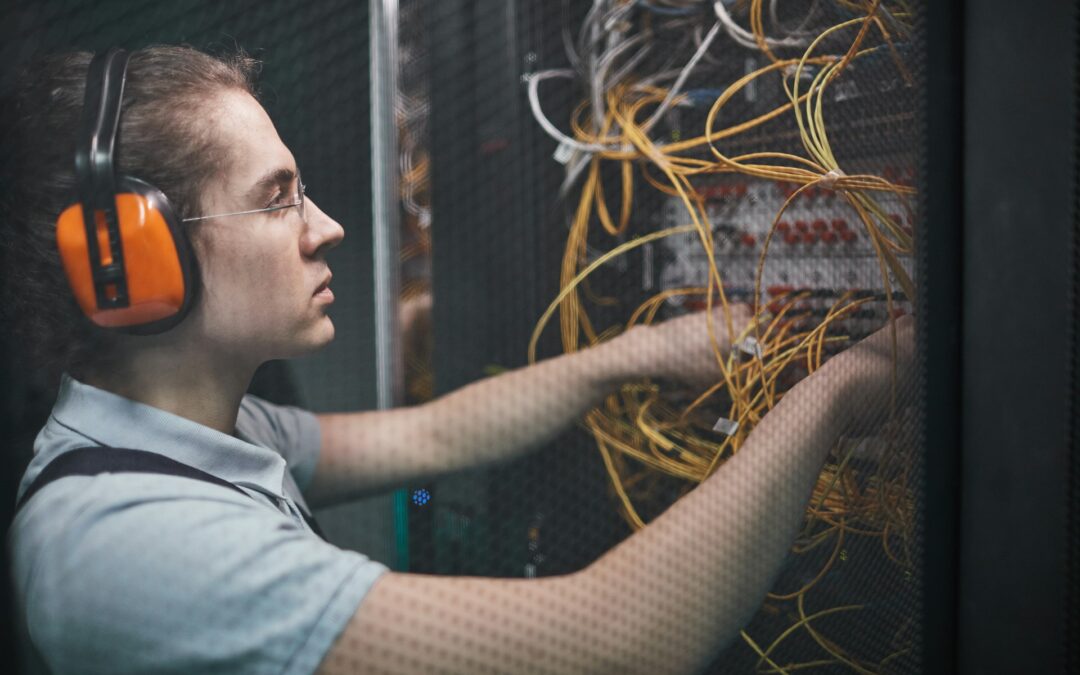
Boston workplaces rely heavily on a steady infrastructure network to keep everything moving. Between meetings, shared files, digital systems, and phones, it’s the hidden support for day-to-day work. But at the end of the year, problems within these networks can throw everything off balance.
In New England, winter conditions bring added pressure. Cables are more likely to suffer from cold exposure, older equipment faces heavier workloads, and many teams are stretched thin with limited IT help. It doesn’t take much for small glitches to grow into bigger disruptions. If this sounds familiar, you’re not alone. We’ve seen how an unstable infrastructure network can slow or stop work inside Boston offices right when it matters most. Here’s what tends to go wrong and how to spot it before your business gets stuck dealing with surprises.
Common Winter Strains on Office Networks
The cold months affect more than just the heating bill. From freezing equipment to overloaded systems, winter changes how networks behave. When the temperature drops, fiber and copper cabling can stiffen and shift, increasing the risk of interference or physical damage, especially around walls, roofs, and outdoor lines.
There is also a change in office pace. With people taking holiday time off, overlap in schedules often causes uneven usage or unmanaged hardware. This can leave systems vulnerable when someone is not around to spot an issue right away.
Many Boston businesses still rely on older data, voice, and fiber optic cabling. If these networks aren’t inspected before the busy season, problems like poor connectivity or device failures become more likely. We specialize in direct upgrades and maintenance for these systems, including on-site repairs for network hardware and cabling.
Outdated networks also strain under extra holiday usage. Shared drives, cloud services, and video meetings all use bandwidth. If your system was already lagging, it may fully crash with that kind of demand. This is common in Boston offices where upgrades have not kept up with workload needs during the colder months.
Productivity Loss Due to Network Downtime
When the network isn’t working, things come to a standstill. Even simple tasks end up delayed. Everything from sending emails to running card payments at the front desk depends on a solid connection.
When networks go down, we often see:
- Missed or frozen video calls that cause miscommunication or delay project updates
- Inability to access digital files, databases, or service portals
- Disruptions to Internet-based phone lines or security system links
It only takes a few hours of lagging systems to build up frustration. People start logging off early or creating workarounds, which are not always safe or efficient. Deadlines slip, morale suffers, and problems keep stacking. What starts as a slow-loading screen in the morning can turn into a full halt of operations by midday if no one is able to respond.
Overlooked Early Warning Signs of Network Failure
Sometimes, warnings creep in without drawing much attention. It is easy to shrug off small glitches, especially when everyone is busy closing out the year.
Watch for changes like:
- Wi-Fi cutting in and out, especially in parts of the office that once had strong coverage
- Blinking lights on routers and switches that look different from usual
- Trouble logging onto shared systems or regular password rejections
These may seem small on their own, but taken together, they signal something bigger. The real trouble is when people just work around them, switching to mobile hotspots, waiting longer for files to load, or rebooting things again and again without saying much. The longer those signs are ignored, the more likely a bigger failure is coming.
Why Fixes Often Come Too Late in Boston Offices
Winter timing works against quick fixes. IT staff are sometimes stretched thin across satellite offices or working remotely. When problems pick up during late December or early January, it might be tough to get someone onsite quickly.
Even if help is available, physical repairs can be delayed. Ice and snow slow down access, and buildings may limit contractors from getting onto certain floors or roof spaces. Bad timing mixes with hard-to-reach cables or older setups, and that slows things down even further.
Many common network issues can be traced to neglected patch panels, improper cable management, or hardware that hasn’t been replaced in years. We help diagnose and correct these problems with structured cabling and professionally certified networking services.
We have noticed that last-minute repairs done under pressure do not always hold up. Temporary reroutes or quick toolkit solutions are just patch jobs, which leaves the same issues to flare up again later.
Plan for Fewer Network Surprises This Winter
As Boston settles into the coldest stretch of winter and clocks get flipped into the new year, it is a smart time to focus on what your workplace network is handling. If it is freezing up, dropping out, or just not keeping pace, the risk of bigger interruptions is already in place.
A strong network does not just hold things together in everyday tasks, it lets the whole office work without thinking about it. When it breaks, the impact is quick and obvious. Listening for small warning signs, checking how your network holds up under current load, and keeping an eye on how the cold may be affecting your cables can make a big difference.
Good days at work come easier when the network fades into the background instead of forcing its way to the top of everyone’s mind. Building that kind of quiet reliability starts with knowing what winter can do behind the scenes.
At ASCIO Wireless, we have helped many Boston businesses with year-end slowdowns linked to an overlooked infrastructure network. Cold weather, aging technology, and changing office routines can all put extra stress on systems that are already working hard. Small issues can quickly grow if left unchecked, but staying ahead is easier when you know what to watch for. If your network has been lagging or showing signs of wear, now is a great time to contact our team.