 Follow us on Facebook
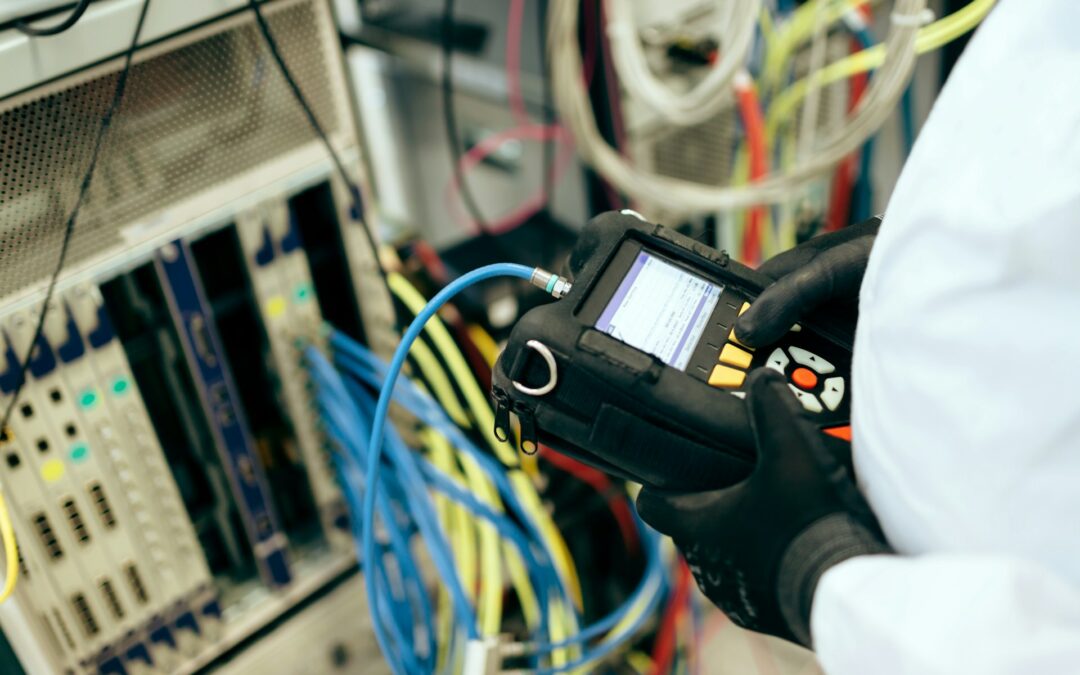
As mid-January settles in across Boston, snow and cold aren’t the only things slowing down progress. If you’re managing or supporting network infrastructure, now’s the time to think about what happens behind the scenes. Winter may not seem like a popular time for upgrades or fieldwork, but it actually puts a spotlight on how well your contractors and service partners handle harsh conditions.
Finding a dependable contractor for network service providers isn’t just about getting lines installed or gear connected. It’s about having the right people in place who understand local access issues, winter restrictions, and timing. Ahead of spring, we’re seeing more pressure placed on permitting timelines and project prep. Crews working now are laying the foundation for work that launches as soon as the ground thaws. Whether you’re planning a rollout or managing existing assets, knowing what to expect from contractors is a smart move this time of year.
What a Contractor for Network Service Providers Actually Handles
Contractors serving network service providers take on a wide range of technical and hands-on work. They’re often responsible for things that stretch both above and below Boston’s streets, rooftops, and utility corridors. Their work supports both expansion and restoration efforts on fiber, data, and voice projects.
- Installing and maintaining fiber optic cables, structured cabling, and wireless access hardware
- Supporting service reliability by integrating systems that allow for better monitoring, alerts, or rerouting
- Responding to outages, equipment failures, or environmental damage to infrastructure
These jobs rarely happen in isolation. Contractors play a regular role across system changes, helping to prepare new installs, strengthen existing networks, or complete recovery jobs after a problem. Since providers rely on uptime, these services often move fast. Independent contractors provide that flexible labor that telecoms and utilities count on to stay on track.
Projects can grow fast, especially when one repair leads to other system upgrades. That’s where experienced, reliable contractors step in to keep fieldwork moving without creating disruption. Their ability to scale and adapt matters more the moment things become weather dependent.
Why Boston’s Winter Conditions Require Extra Planning
Anyone working in Boston through January knows the cold isn’t the only thing that slows down outdoor work. Snow piles, icy walkways, and limited hours of daylight all work against you. Contractors who haven’t worked in this region before might underestimate how often jobs stall due to weather, or how hard it is to reach rooftop and exterior cable runs when everything’s frozen.
- Frozen conduits can make pulling cables impossible, even if access was available weeks ago
- Rooftop paths may require snow and ice clearance before any tool can be lifted
- Cold equipment failures or shrinkage in connectors can create connection issues if not handled properly
Timing becomes just as important as the work itself. Scheduling around weather swings means leaving buffers on every job. Even permits can lag behind if inspections can’t be completed on icy sites. That’s why it matters to work with crews who are used to Boston’s patterns. If they don’t prep gear to handle cold snaps or schedule access windows aggressively, bigger problems show up in both workflow and service quality.
Often, winter conditions lead to unexpected pauses in progress. Service interruptions caused by harsh weather are more common, and workers may need to adjust their schedules on short notice to avoid dangerous conditions. Experience handling these disruptions helps contractors keep projects on track despite the seasonal obstacles. Even when the temperature rises temporarily, leftover ice or water can still make sites risky or slow down recovery and repair tasks.
Seasonal Projects to Get Ahead of by Mid-January
Right now is one of the best chances to get a head start on early spring network projects that begin once the ground loosens and daytime hours return. While Boston is still locked in winter, many providers are already mapping out where resources will go between February and April.
- February to March is often used for planning fiber additions, backhaul upgrades, or site moves
- Permits called in now are more likely to clear just in time for a March start, if applied early
- Materials, especially specialty cabling or mounting equipment, may have longer lead times from vendors this time of year
Waiting too long means running into the crowd. Once spring breaks, everyone who postponed winter installs will jump in at the same time. That creates bottlenecks on city permits, equipment delivery, or available hands to get the work done. Contractors tapped early can offer advice about critical-path items, site-readiness steps, or what parts of the system should get attention first once the thaw begins.
In addition, project managers can use this winter window for necessary evaluations, pre-configuration of certain systems, and staff training. These activities make later phases proceed more efficiently, as resources and permits are in place when fieldwork resumes in earnest. By addressing foundational elements now, bigger complications are avoided later in the year.
What to Look for in a Winter-Ready Contractor
Hiring someone for work in January looks different than it would in July. You’re not just checking for licenses and safety history. You also need to know how they work in tough conditions without risking your schedule or system.
- Certified training in cold-weather safety, both for rooftops and icy-grade ground
- Strong communication that flags mid-winter concerns early before they lead to downtime
- Active project experience in heavily impacted Boston neighborhoods or older industrial zones where freeze damage repeats predictably
It’s not enough to know what needs to be done. Contractors must understand how timing shifts in winter, how to prep above-ceiling work in cold plenum spaces, and how to get through unexpected weather without halting all field activity. Experience directly in Boston makes that difference. Many jobs can’t freeze in place until April. Having the right hands working now helps avoid those slow restarts down the line.
A winter-ready contractor should demonstrate flexibility with shifts in site access and provide accurate predictions for timing and site readiness. They should also offer practical solutions for winter logistics, such as safe paths for moving equipment or alternative installation methods if typical access points are blocked. Their understanding of winter challenges is crucial for uninterrupted workflow.
Strong Connections Start with Local Know-How
As you plan your upcoming network projects in Boston, consider the benefits of working with a contractor experienced in the region’s winter challenges and technical requirements. ASCIO Wireless offers end-to-end network infrastructure solutions, including structured cabling, fiber optic installation, and wireless integration, services that help minimize downtime no matter the season.
Our professionally trained and certified technicians bring proven expertise in voice, data, and wireless networking systems. Whether you’re supporting a multi-site rollout or addressing a single location’s winter vulnerabilities, reliable service and attention to regional conditions are important for project success.
Winter Tips for Hiring Network Contractors in Boston
At ASCIO Wireless, we know how the right timing and a reliable partner are important for network projects in Boston when weather and access can be unpredictable. Planning ahead for installations or upgrades with a contractor who understands local regulations and seasonal conditions helps keep your projects on schedule. Choosing a dependable contractor for network service providers means you’re prepared before backlogs and spring project surges start. Let’s work together to avoid downtime, stay ahead, and keep your infrastructure moving forward, reach out today to discuss your needs.