 Follow us on Facebook
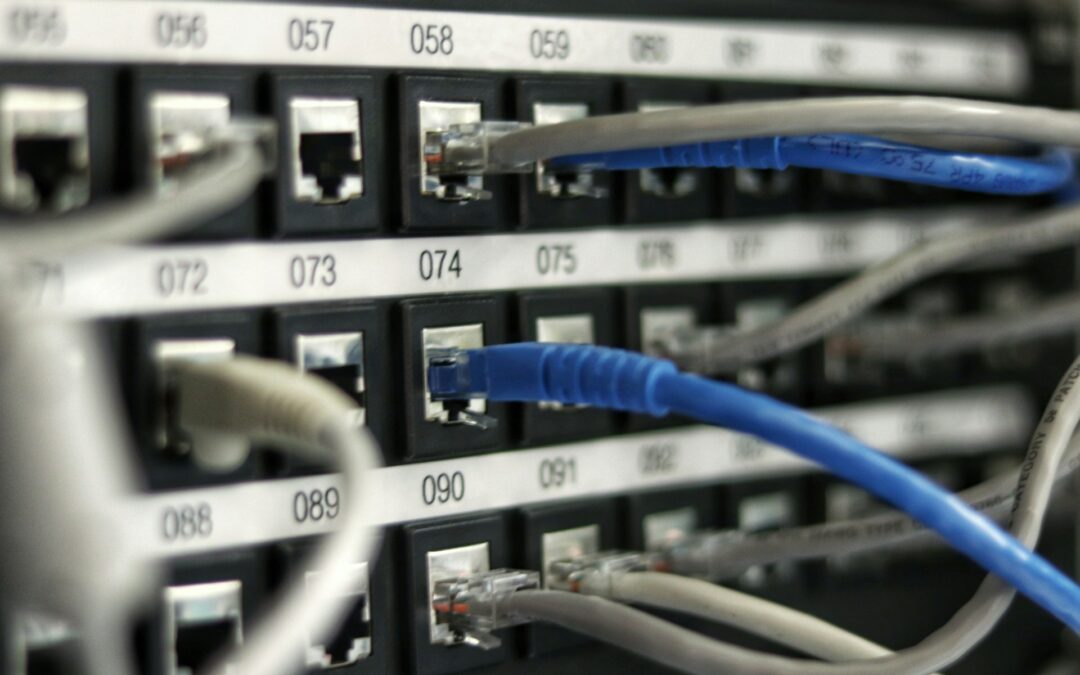
Winter in New England can stress out even the best-built systems. In older buildings especially, problems tend to show up near the tail end of the season, just as people start hoping for warmer days. The deep cold, repeated snow, and sharp freeze-thaw cycles all have a way of uncovering wear and tear in ways that summer can’t.
By mid-February, most winter weather issues have already made themselves known. This is the time to act, not to winterize for next year, but to make smart infrastructure improvements that keep things stable through the last pushes of snow, sleet, and melting ice. These end-of-season projects can reduce problems as spring approaches and help avoid the mess caused by changing ground conditions and backed-up drainage systems. Getting systems on track now helps everything run smoothly, even as the winter hangs on.
Planning Upgrades That Work with Boston’s Winter Schedule
Late winter brings its own hurdles, but it’s still a workable time for making smart changes. Around mid-February, systems have already seen weeks of stress. At this point, focus shifts toward keeping everything running through March and into early mud season.
- Short-term infrastructure upgrades that don’t shut down full systems are a safe place to start. These include fixing exposed cable runs, replacing weather-beaten panels, or insulating equipment that’s been running too cold.
- Freezing and thawing can confuse power flow or wear out older components. Handling these before longer days and wetter conditions arrive keeps large issues from snowballing.
- For outdoor updates, planning around afternoon sun and early snow melts helps time work windows. Waiting too long risks having to rebuild during spring storms instead of stabilizing today.
Not every project fits this season, but many do. Even small fixes now can keep things running normally while we wait out the next round of weather shifts. Planning ahead also makes sure teams have enough time to order parts or prepare for outside work before spring arrives in full. Addressing these areas with care means you can rely on your infrastructure to support business needs, no matter what the weather brings in the coming weeks.
Building Infrastructure Weak Points That Winter Exposes
Every winter season has a way of exposing problem spots. These small places, when added up, can cause major disruptions in how a building operates, and how we keep it connected.
- Exposed or outdated cabling is one of the biggest issues. Lines near older windows or along outside walls can crack or shift when temperatures go up and down too fast.
- Heating systems that don’t cover tech areas like network closets or junction points can cause slowdowns. Electronics that freeze or stay damp for too long may not come back online easily.
- Poor insulation around telco or utility spaces lets moisture in. Once there, water can corrode fixtures or freeze inside boxes, even ones that look sealed from the outside.
- Ground-level trenches and underground pipes are another problem. Without proper drainage, melting snow backs up and seeps through, softening or shifting buried systems.
During late winter, these issues can show up as minor outages, unstable network signals, or moisture damage that hides until repair teams investigate deeper. Spotting these weakness points now makes future upgrades work better. We don’t need to replace everything, just reinforce the parts most likely to break before the weather shifts again. When weak spots get attention early, it means less scrambling and faster fixes if another storm rolls through or if spring runoff brings unexpected problems. The details matter most right now, since even a small unnoticed issue can grow as conditions keep changing.
Solutions That Keep Operations Running as Cold Weather Hangs On
Sometimes, equipment needs more than protection from the cold. We need it to stay flexible when outdoor conditions are constant, but unpredictable. At this point in the season, it’s less about avoiding storms and more about outlasting the cycle of freeze, melt, and repeat.
- When possible, shifting sensitive equipment into better slots inside the building helps with both temperature and service. If that’s not an option, weather-rated enclosures go a long way in keeping things stable.
- Internally, rerouting connections, either physically or through signal pathways, can lighten the load on damaged gear. This gives teams more time to plan full maintenance without total cutoffs.
- Testing during February is smart. Even though snow’s still on the ground, it’s a time when many systems have settled into cold-weather patterns. That makes it easier to pull accurate readouts for what’s working and what isn’t.
Segmented networks also help. If one line drops, another can pick up some of the work, especially helpful after ice storms or fast snow melts that soak access points. Equipment designed to operate in variable temperature conditions tends to last longer when changes happen quickly, and reviewing backup plans ensures responses are ready for outages. Monitoring tools should be checked and calibrated since false alarms or overlooked failures can waste time. Simple preparedness helps keep the daily workflow steady and prevents avoidable problems near the season’s end.
Upgrades That Improve Safety and Access for Field Work
We can’t solve problems if we can’t reach them. That’s one of the biggest winter challenges in Boston. Snowbanks grow quickly, and frozen ground doesn’t make repairs go any faster. Having clear, safe access to infrastructure isn’t just about response time. It’s about getting it right when time is short.
- Clear marking around junction points and breaker boxes speeds up repairs and prevents damage from snowplows or salt use.
- Backup systems should be checked now, not later. Generators, battery units, and internal lighting all need to work, not just run, for teams in the field to do their jobs.
- Outdoor access paths should be repaired or temporary mats placed down. This helps prevent slips and gives workers better footing when carrying gear or opening panels.
Even indoor spaces matter. Tight quarters filled with storage or blocked doors slow things down. A little cleanup in February can save hours during a future callout. Think about adding lights in dark corners or removing clutter around entry points for network and utility rooms. With more reliable access routes, upgrade teams can work faster and safer when time counts most. Safer, clearer workspaces mean problems get fixed right on the first visit, even if the weather outside is less than perfect.
Extra Support with End-to-End Network Upgrades
With ASCIO Wireless, businesses in Boston benefit from professional network infrastructure management, network cabling, and wireless integration for voice, data, and fiber optics. Our technicians are trained for rapid upgrades and responsive service, optimizing systems to handle both harsh winters and busy spring turnarounds. Structured cabling, as offered by ASCIO Wireless, supports not only better uptime but prepares facilities for technology changes all year.
Thinking ahead with a reliable partner means your operation gets thorough attention, from exposed cable runs to site-wide upgrades, resulting in steadier performance and quicker recoveries as the weather changes.
Steady Systems Finish Winter Stronger
Late winter isn’t the end of the line, it’s a turning point. It’s where buildings either hold up or start having repeat failures week after week. That’s why now is a smart time to act.
By focusing on mid-season projects, we aren’t guessing. We’re fixing what just broke, strengthening what’s still holding, and buying more time before spring brings its own set of challenges. A stronger setup today cuts out last-minute maintenance problems and helps the systems we rely on keep working, even when the ice and snow don’t quite let go.
Staying ready means fewer surprises and longer-lasting systems. In a city like Boston, that makes all the difference between just getting by and running steady through the last stretch of winter.
Keeping your building online through late winter takes the right timing, tools, and plan. We’ve seen how weather can shift fast across Boston, throwing off access and exposing cable or junction points at the worst moments. Now is a smart time to address the parts of your system most affected by freeze-thaw cycles, especially if past issues are already showing up. When you are ready to take a closer look at your infrastructure, we’re here to help get repairs or upgrades started the right way. Contact ASCIO Wireless to schedule a walkthrough or talk about what comes next.